
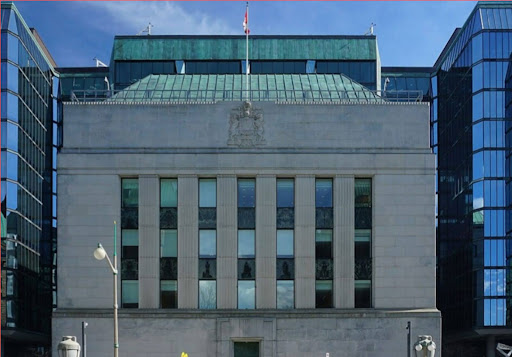
The Bank of Canada is widely expected to maintain its benchmark interest rate at 2.25 per cent this Wednesday despite a sudden spike in global energy costs. While the central bank aims for stability, Governor Tiff Macklem is anticipated to adopt a “hawkish” tone to signal readiness against burgeoning inflationary pressures. This cautious stance comes as a direct response to a 40 per cent surge in crude oil prices over the last fortnight.
The recent disruption in the Strait of Hormuz, a critical maritime artery for one-fifth of the world’s oil, has sent shockwaves through energy markets. Geopolitical tensions involving the United States, Israel, and Iran have fueled fears that these high costs could persist through the spring. For Canadians, this translates to immediate pain at the gas pump and rising costs for air travel.
Economists like Paul Beaudry, a former deputy governor, suggest the bank must act as a watchdog for inflation expectations. If households and businesses begin to believe that high prices are permanent, it could trigger a dangerous cycle of wage and price hikes. By sounding firm now, the Bank of Canada hopes to “anchor” these expectations before they spiral out of control.
This current situation mirrors the delicate balance seen between 2010 and 2014, rather than the aggressive hiking cycle of 2022. Currently, the Canadian economy shows significant slack, and inflation remains relatively close to the 2.3 per cent target recorded in January. Unlike the post-pandemic era, fiscal policy is no longer highly stimulative, giving the bank more room to breathe.
As the nation awaits the midweek announcement, the focus remains on how long the Middle East conflict will sustain elevated oil prices. If the shock proves temporary, the Bank of Canada may continue its “cruise control” approach until trade negotiations resume in 2026. However, any sign of price pressures migrating into broader goods and services will likely force a policy shift.