
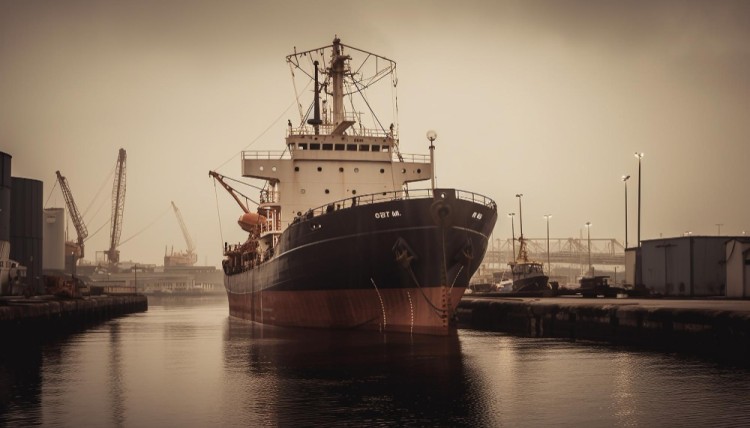
The Strait of Hormuz, a critical maritime passage for global oil exports, continues to face significant challenges despite a recent agreement between the United States and Iran. The commercial shipping operations remain heavily restricted due to the presence of naval mines, with around 80 mines still posing a threat in the central shipping channel. This situation has kept the primary route unsafe for commercial vessels, according to the international tanker owners’ association.
As a result, some ships have opted to navigate a narrower path along the Omani coast. However, industry experts caution that this alternative route increases the risk of vessels running aground and could lead to maritime accidents. The backlog of hundreds of vessels still waiting in the Gulf underscores the extent of the disruption, with expectations that it could take weeks or even months to clear the congestion.
Aside from the physical hazards, shipping companies have expressed concerns over reported electronic signal interference during the conflict, which disrupted navigation systems. Such interference has heightened the danger of collisions in what is already a busy and strategic waterway. The ongoing challenges in the Strait of Hormuz have broader implications, potentially impacting global supply chains, shipping costs, and energy markets due to its role as one of the world’s most significant energy corridors.
Adding to the industry’s worries, Iran has proposed introducing transit fees for commercial vessels once the temporary toll-free period concludes. Shipping companies argue that such charges on international waters would contravene established maritime law and could set a concerning precedent for other major global shipping routes. The potential imposition of transit fees has sparked further debate among industry leaders, who are calling for adherence to international norms in maintaining free navigation.