
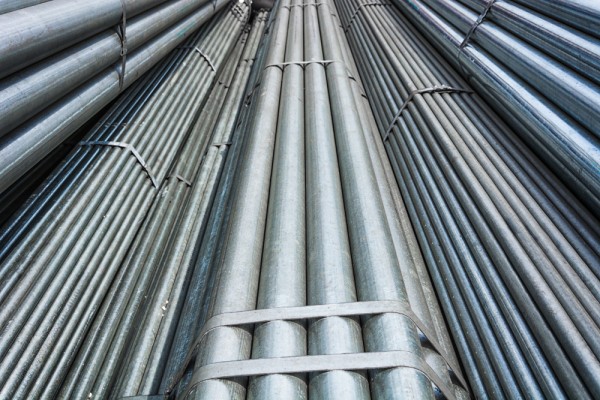
The UK is preparing to contest the European Union’s new plans to significantly reduce tariff-free steel imports, a move projected to adversely affect British steel manufacturers and bilateral trade relations. Business Secretary Peter Kyle is slated to address these concerns with EU Trade Commissioner Maroš Šefčovič during discussions in Brussels. This comes amid growing apprehension over the upcoming steel safeguard measures set to be implemented on July 1.
The European Union’s proposed system intends to slash overall tariff-free steel imports from non-member countries by nearly 50% compared to the levels in 2024. British steel producers have expressed alarm that this policy shift could have detrimental effects on their exports to the EU market. Concurrently, the UK is rolling out its own steel import quota system post-Brexit, causing anxiety among European steel manufacturers about diminished access to the UK market. Stakeholders from both regions argue that these emerging restrictions could disrupt long-standing supply chains.
These measures aim to protect domestic steel industries from growing competition, notably from Chinese producers. However, industry representatives caution that stricter quotas might lead to unforeseen economic consequences for both the UK and the EU, without effectively addressing the larger global market challenges. The potential reduction in trade between the UK and EU raises concerns about weakening collaboration at a critical time when both parties are looking to bolster their manufacturing sectors and combat unfair competition.
Despite the ongoing dispute, there is a shared sentiment among UK and European industry groups in favor of negotiating a resolution that maintains robust trade connections. They advocate for preferential treatment of steel trade between the UK and the EU, given the highly integrated nature of their markets. Such a solution would aim to sustain the economic ties that are vital to both regions while addressing the concerns resulting from the proposed changes in trade policies.