
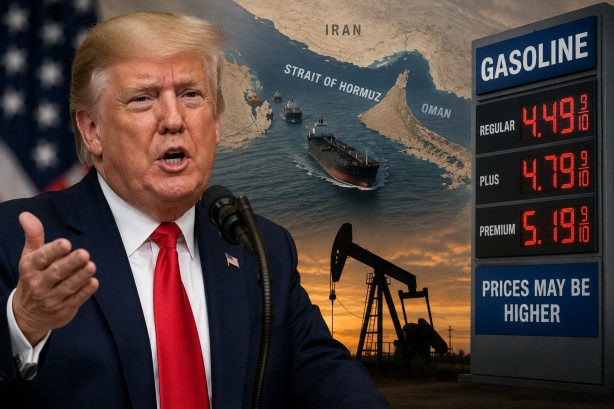
Amid ongoing tensions with Iran, US President Donald Trump has called on Americans to accept a modest increase in gasoline prices. Speaking at a rally in New York, Trump emphasized that paying “a tiny little bit more” for gasoline was a necessary sacrifice to prevent Iran from acquiring nuclear weapons. He also mentioned the possibility of declaring the Strait of Hormuz “a territory of the United States” following a potential victory over Iran.
In response, Iran firmly dismissed Trump’s comments, asserting their control over the critical waterway. Deputy Foreign Minister Kazem Gharibabadi stated that Iran would maintain the blockade until the US acknowledges what he termed as its defeat. Meanwhile, Iranian Foreign Minister Abbas Araghchi indicated that Tehran has not yet decided to engage in new negotiations with Washington, insisting that shipping through the strait would only resume if the US met Iran’s conditions.
The situation has led to significant disruptions in tanker traffic through the Strait of Hormuz, a pivotal route for global oil and natural gas shipments. This uncertainty has contributed to a rise in crude oil prices, subsequently driving up fuel costs. The average price of gasoline in the US has climbed to approximately $4.08 per gallon, marking a 29% increase from the previous year. Concurrently, Brent crude prices are showing a substantial weekly rise.
On the economic front, the impact is palpable in Iran as well. Iranian President Masoud Pezeshkian has attributed the country’s rising inflation to the US-imposed blockade, sanctions, and limitations on Iranian oil exports. As diplomatic efforts to resolve the standoff remain at an impasse, the Trump administration has hinted at imposing additional financial measures against Tehran.