
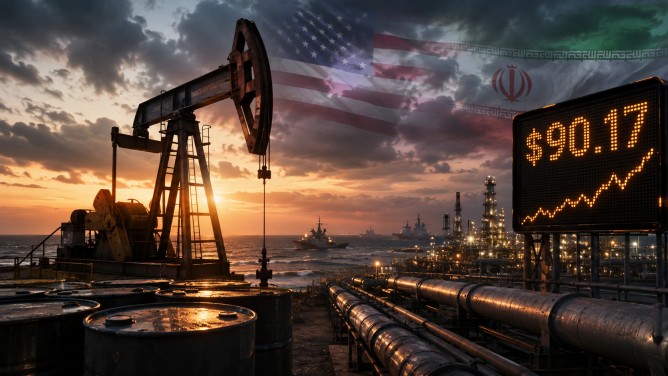
Oil prices have surged following the lapse of a two-month negotiation period between the United States and Iran without reaching a peace agreement. This development has sparked concerns that the ongoing conflict could persist, potentially causing further disruptions to global energy supplies. Brent crude has risen to over $90 a barrel, peaking at approximately $91.63, marking its highest level since July 30. The escalation in oil prices coincides with US President Donald Trump’s demand for Iran to surrender, accompanied by a warning of possible conflict intensification should diplomatic efforts prove unsuccessful.
Heightened tensions regarding the Strait of Hormuz, a vital corridor for global oil transportation, have also emerged. The number of commercial vessels navigating through this key waterway has noticeably decreased, exacerbating fears of extended interruptions to oil supply lines. The potential for prolonged disruptions poses a significant risk to the stability of global energy markets, as any sustained reduction in traffic through the Strait could exert additional upward pressure on oil prices.
Iran has signaled a possibility of adopting a more aggressive military posture if negotiations remain unproductive. Reports of an attack on a cargo vessel transiting the Strait of Hormuz have further amplified concerns about the region’s shipping security. Such incidents underscore the delicate situation in the area, which is crucial for maintaining the steady flow of oil to international markets.
These developments have prompted investors to brace for a potentially extended period of supply disruption. The ongoing uncertainty in the Middle East, coupled with the persistent war in Ukraine, is likely to continue creating volatility in global energy markets. Analysts caution that these conflicts could lead to additional shocks, potentially driving oil and gas prices higher in the foreseeable future.