
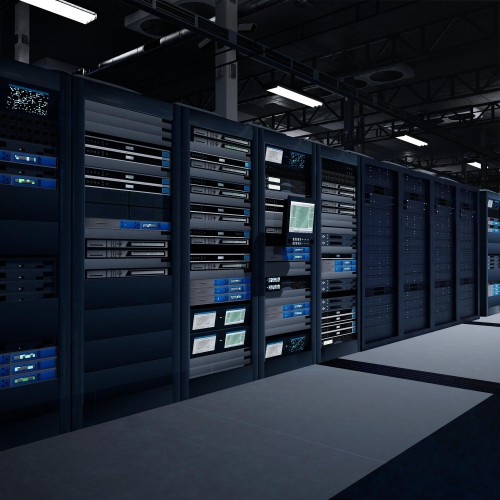
China has once again claimed the top spot in global supercomputer rankings, thanks to its new LineShine system. Located at the National Supercomputing Centre in Shenzhen, this advancement signifies China’s ongoing progress in developing its own computing technology. Despite this achievement, experts caution that this does not equate to China surpassing the United States in artificial intelligence capabilities. The LineShine supercomputer, which utilizes domestically developed chips, has surpassed the previous leading US system.
While this development marks a significant milestone for China, analysts point out that traditional supercomputer rankings primarily assess machines designed for scientific computing. They do not fully capture the performance of modern AI workloads. Many of the most powerful AI systems globally are created by large tech companies and are not included in these rankings. Advanced AI computing relies heavily on specialized chips and extensive data center infrastructure, areas where traditional rankings may not provide a complete picture.
China’s reemergence as a leader in supercomputing is viewed as part of its broader strategy to enhance self-reliance in chip design and computing technologies. However, challenges remain, particularly regarding access to advanced AI chips, which continue to pose hurdles for China’s AI development. Despite these obstacles, China’s commitment to advancing its technological capabilities is evident through this achievement.
The competition between China and the United States in the realm of advanced computing is intensifying. Both nations are heavily investing in artificial intelligence, quantum technology, and next-generation computing systems. This ongoing rivalry underscores the strategic importance placed on technological advancement by both countries as they seek to assert their influence on the global stage.