
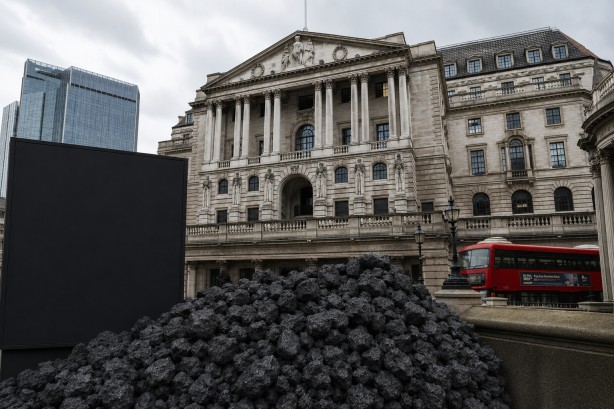
The Bank of England is set to cease accepting bonds tied to thermal coal companies as collateral in its lending operations starting in October, a move aimed at confronting climate-related financial risks. This decision marks a pivotal effort by the central bank to adjust its policies in line with the global shift toward sustainable energy.
Typically, commercial banks rely on bonds as collateral when borrowing from the central bank to support their daily operations and settle transactions. With the new regulation, bonds associated with thermal coal, widely used in power plants for electricity generation, will be excluded from eligibility. This change reflects the growing financial risks faced by companies involved in thermal coal, as nations worldwide push towards cleaner energy sources and net-zero emissions. Consequently, assets linked to coal may depreciate in value over time.
In addition to this, the Bank of England’s policy permits the imposition of discounts on bonds from other sectors that are vulnerable to climate risks, with the intent to shield its balance sheet from potential losses. This strategic move has been lauded by environmental groups, who argue that it sends a compelling message to financial markets and could prompt commercial banks to minimize their exposure to heavily polluting industries. Currently, over 150 major financial institutions across the globe have already enacted restrictions on thermal coal-related business activities.
Experts highlight that the success of this policy will significantly depend on the methods used to assess climate risks and the potential extension of similar measures to other environmentally detrimental activities in the future. As the financial world continues to grapple with the implications of climate change, the Bank of England’s decision is seen as a landmark step toward integrating environmental considerations into financial systems.